
Hall Pass REdesign
Conducted extensive research to redesign Hall Pass, Hall Management Group’s customer loyalty rewards system.
Project Overview
Hall Pass Rewards is a mobile restaurant rewards program for Halls Chophouse restaurants that primarily lets users earn and redeem dining points, purchase gift cards, and view transactions. While Halls restaurants are built on a foundation of “service before self” and a guest-first mentality, guests have consistently reported significant friction using the mobile rewards interface, which has detracted from the overall dining experience. This 7-week redesign initiative focused on elevating the digital guest experience by introducing automated point-tracking mechanisms, immediate sensory feedback, and streamlined navigation logic.
Timeline
7 weeks / September 2025
Role
UX Researcher & Designer
Scope
Professional / Academic Portfolio
Tools
Figma
Design Problem Statement
Halls Pass users across various life stages need a rewards system that is effortless and immediate because the current manual processes are time-consuming and detract from their primary goal: enjoying quality time with friends and family while feeling valued for their loyalty.
Identifying User Friction
Secondary Research
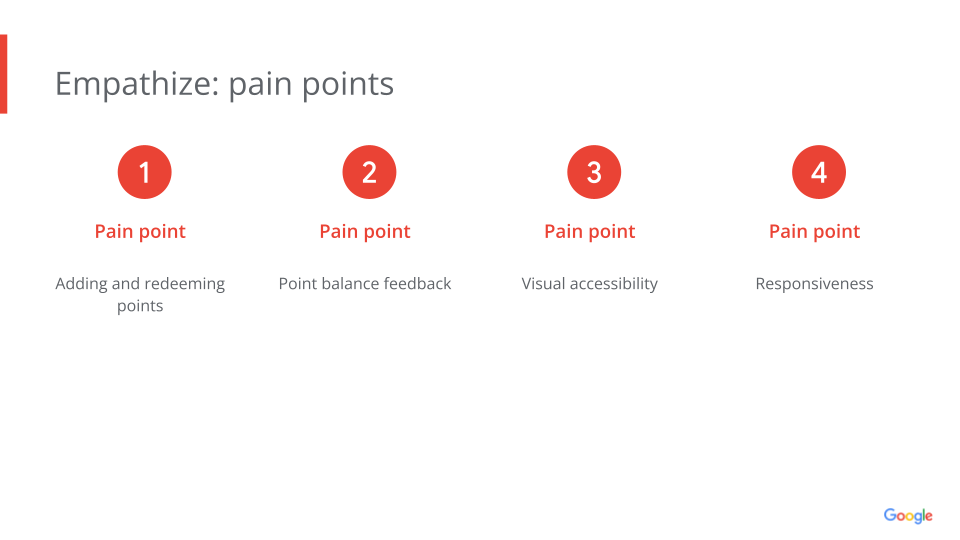
Identified critical pain points found in app store reviews and prioritized them by frequency.
Adding and redeeming points
Point balance feedback
Visual accessibility
Responsiveness
Competitive Audit
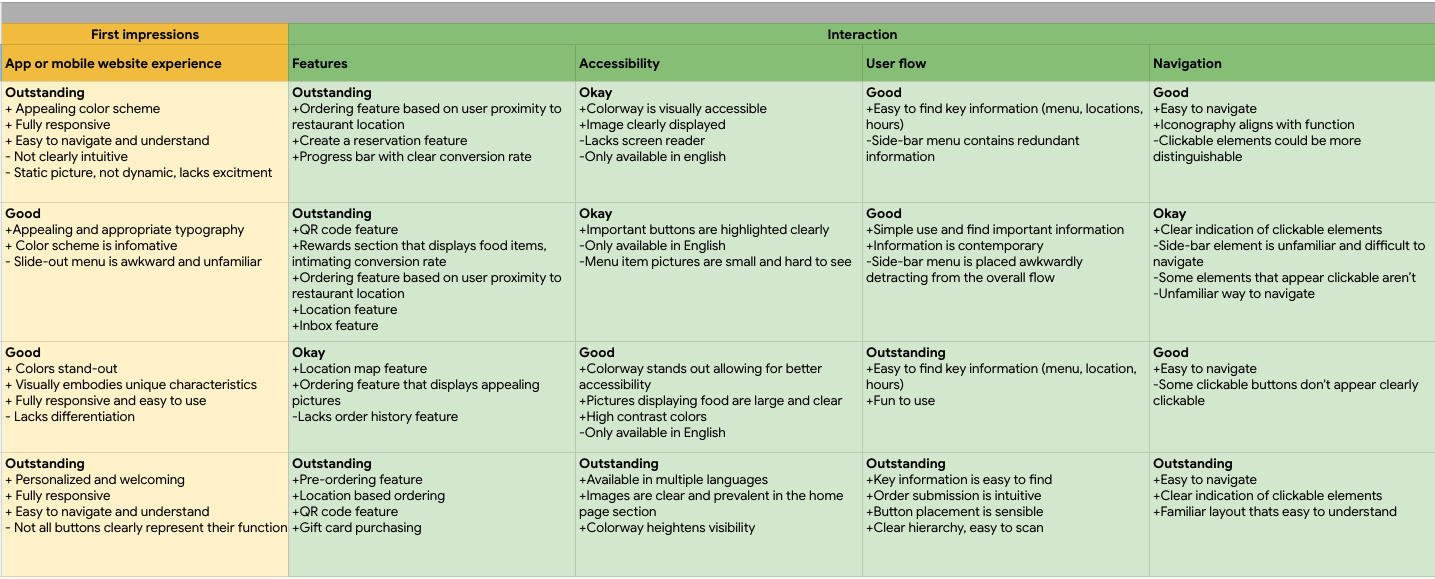
Performed a competitive audit to contextualize the current iteration and understand the industry standard.
Goal: Assess the features of each competitor's app and gain a deeper understanding of the experiences of both new and returning users.
Indirect and direct competitors
Framing the Problem
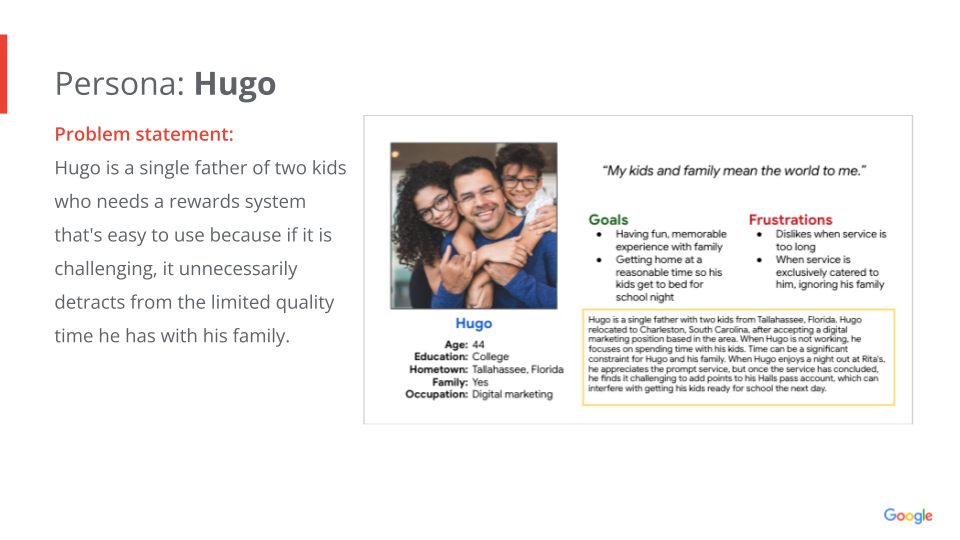
Persona Development
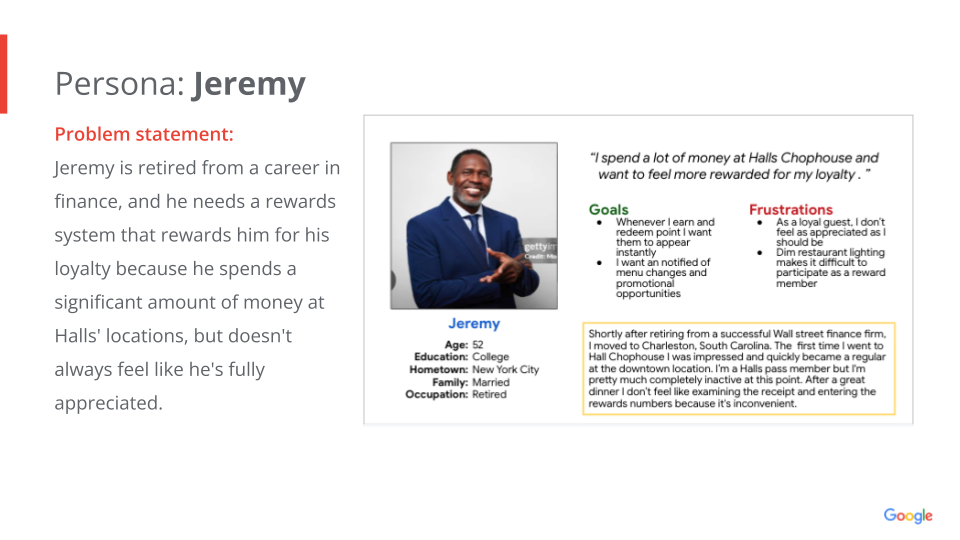
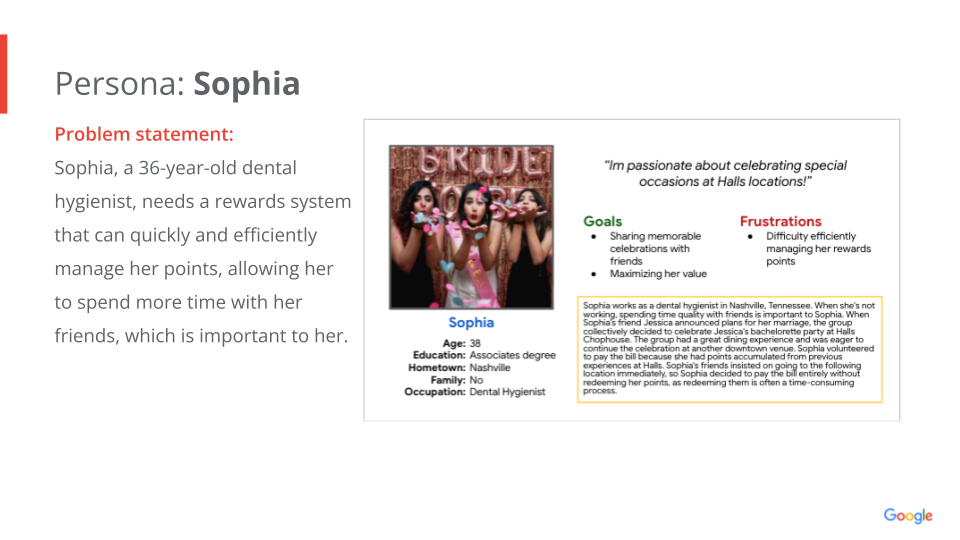
Developed three personas to represent and personify the user group.
Jeremy feels unrewarded for his loyalty.
Sophia needs a quick way to manage her points.
Hugo needs a more intuitive way to participate in the program.
Unified Problem Statement
Halls Pass users across various life stages need a rewards system that is effortless and immediate because the current manual processes are time-consuming and detract from their primary goal: enjoying quality time with friends and family while feeling valued for their loyalty.
Divergent Thinking
Brainstorming
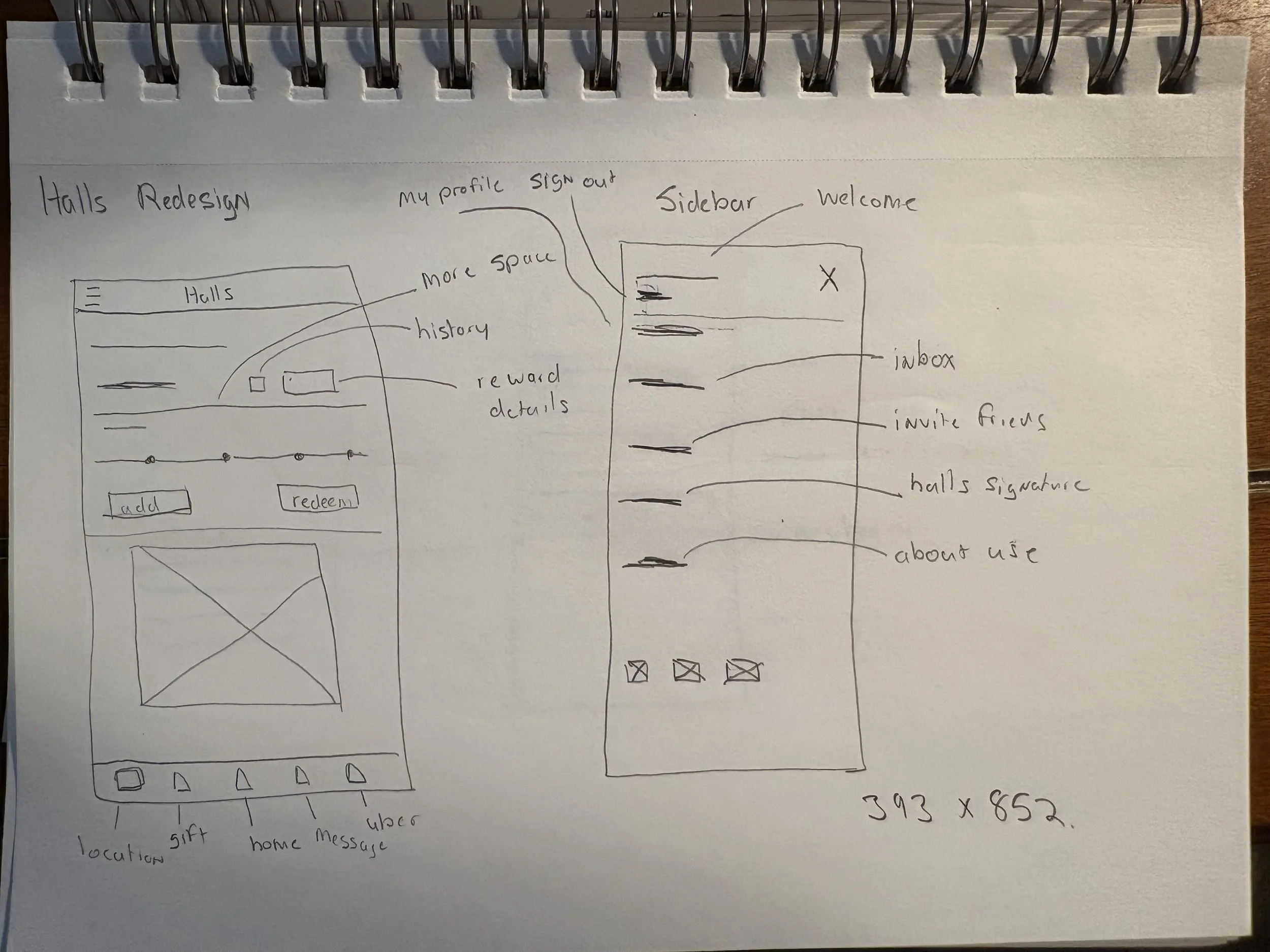
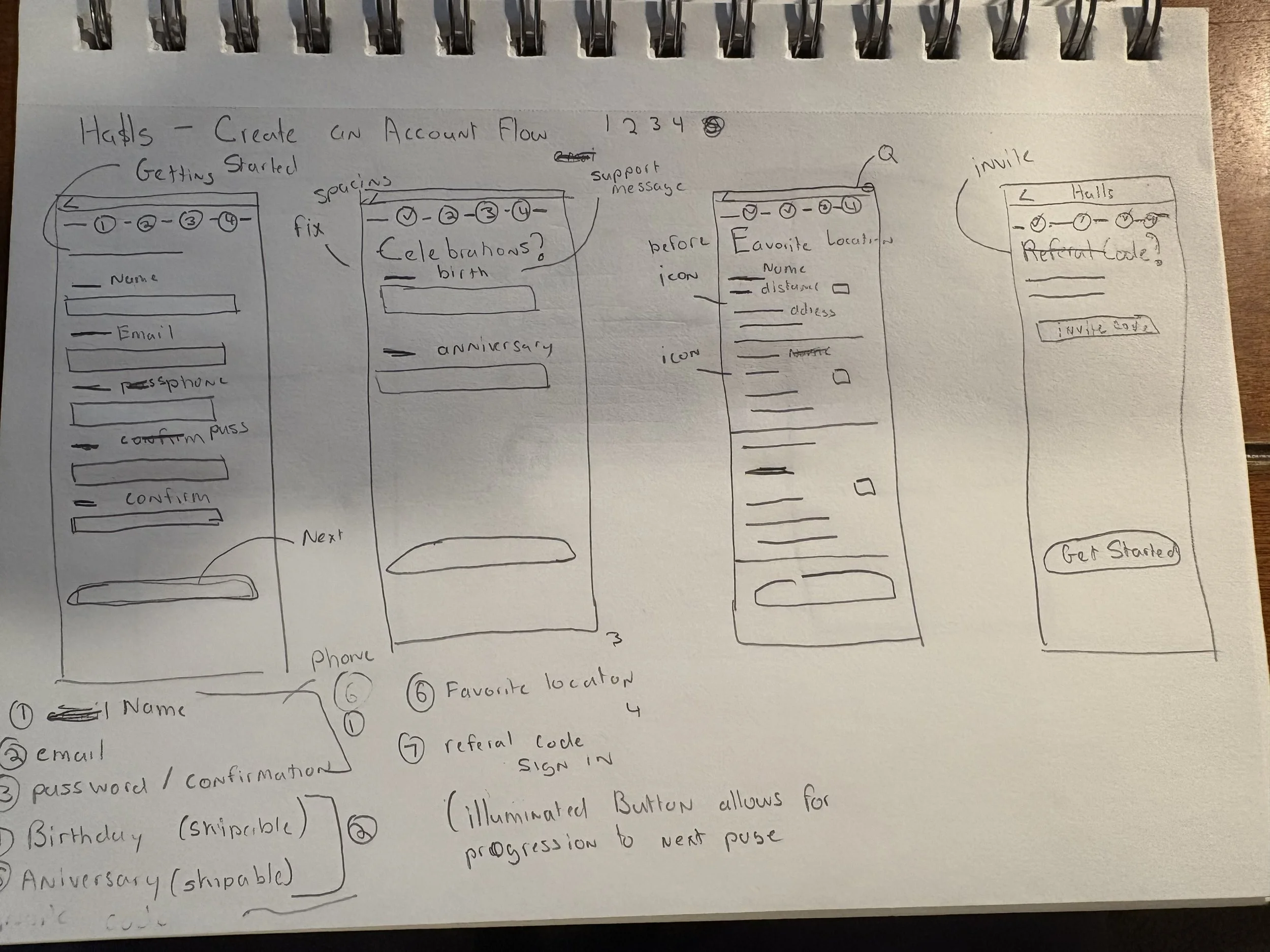
Ideated by creating paperwires to address core user painpoints.
Focused on refining the layout for adding and redeeming points
Discarded any layouts irrelevant to addressing painpoints
Information Architecture
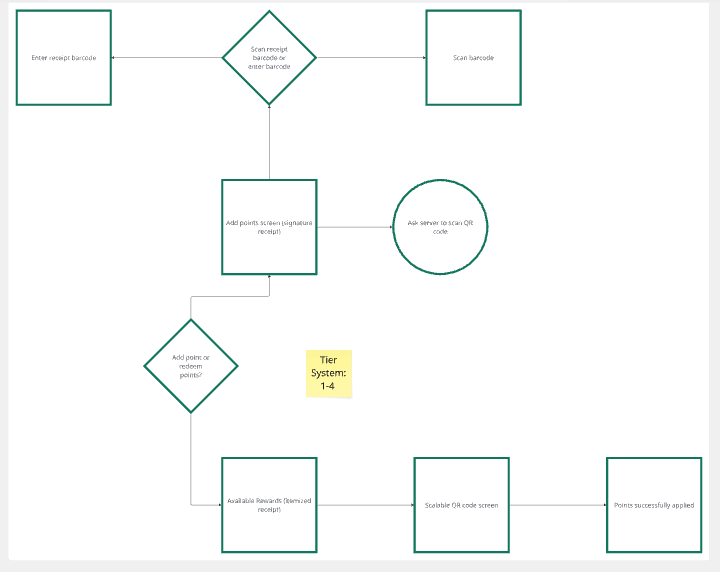
Created a sitemap outlining the flow and logic for the new system.
Simplifies the processes for checking, adding, and redeeming points, reducing cognitive load
Tangible Solutions
Digital Leap
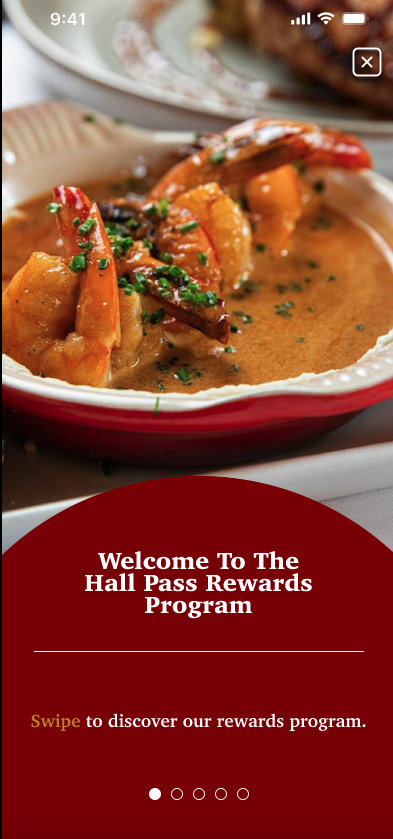
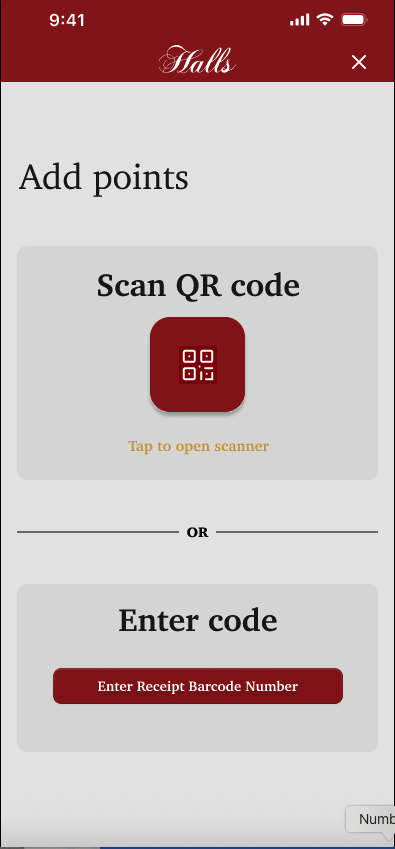
Transitioned my paper concepts to a digital interface.
Discarded any layouts irrelevant to addressing painpoints
Hypothesis & Goal Statement Guidance
Hypothesis: If we automated the manual point management processes to reduce time spent, guests would feel more valued for their loyalty and spend more quality time with others during their dining experience.
Goal Statement: Improve the rewards interface to eliminate the friction of manual tracking, reducing task completion time by 50% so they can spend less time managing their rewards and more time appreciating them as valued guests.
Key Design Decision Justifications
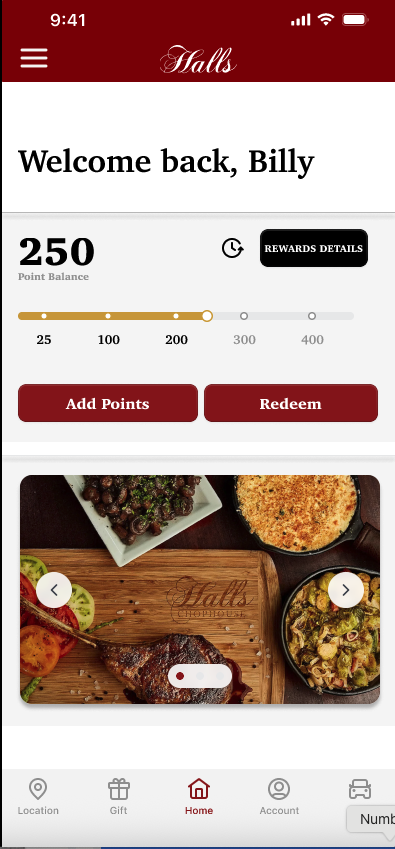
Priority Placement: Architected a QR code-scanning feature at the top of the visual hierarchy to facilitate instant point redemption, directly addressing the goal of cutting task time by 50%.
Information Scannability: Redesigned the rewards details using high-contrast typography to support reducing "friction of manual tracking" identified in the goal statement.
Immediate Feedback: Elevated the point balance as a primary focal point to validate the hypothesis that reducing navigation steps allows guests to return their focus to their dining experience. Fewer steps support Hick’s Law because they are conducive to shorter decision time.
Test & Iterate Opportunities

Critique & Going Forward
Reflecting on my redesign project, collecting more in-depth primary research during the empathize phase would have increased the validity of the design requirements. Conducting a contextual inquiry would allow for greater insight into the surrounding conditions that affect user experience and product usability. The overreliance on unverified secondary sources to guide the design process failed to address user needs in a substantial way. This overeliance manifested in my personas, which were too focused on representing product issues rather than personifying the user group. This led to feature-driven design and a superficial understanding of the users I'm designing for. In future projects, I will dedicate more time to systematically empathizing with users.
Future Research Questions
How does QR-code scanner placement affect accessibility for guests with visual impairment, particularly in low-light restaurant environments?
How do automated point-related features impact the quality of dining experiences?
Is there a relationship between long-term engagement and the immediate feedback of point balances?